Snow, ice and low visibility can turn an ordinary trip into a risky one fast, especially when temperatures drop and roads change quickly. If you must drive in winter weather, consider these tips:
Before You Go
Check the forecast and road conditions before heading out. Let someone know your route and expected arrival time — especially in rural areas. Keep your gas tank at least half full, and make sure wipers, washer fluid and tires are in good shape.
Winter Car Emergency Kit
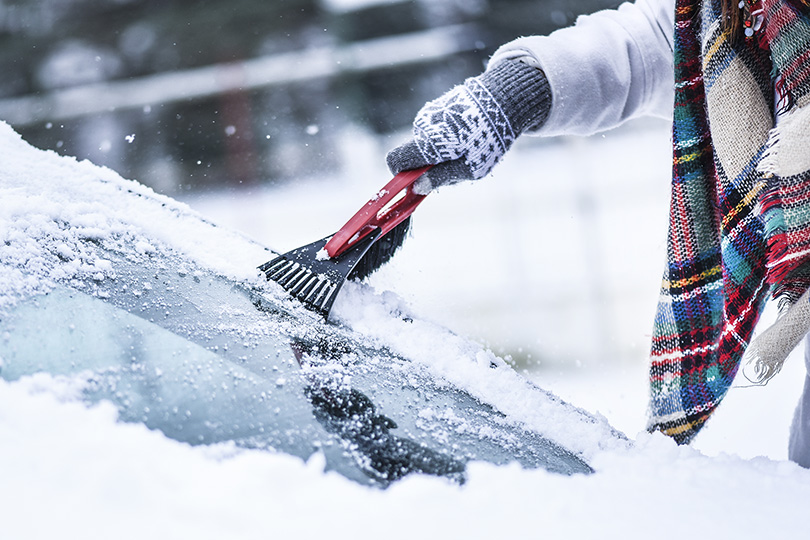
A well-stocked winter car emergency kit can make a big difference if plans change or conditions worsen. Keep supplies in your trunk or back seat that support warmth and shelter, including blankets, a hat, gloves, warm socks and hand warmers. For traction and basic roadside needs, include an ice scraper and snow brush, a small shovel, a bag of sand or cat litter for traction and jumper cables. Add food and hydration such as water bottles and high-calorie snacks like granola bars or nuts. Finally, don’t forget communication basics by keeping a phone charger available.
On the Road
Slow down and increase following distance. Brake gently and avoid sudden stops and sharp turns. If you start to skid, ease off the gas, steer where you want to go, and avoid slamming the brakes.
If You Get Stuck
Stay with your vehicle if it’s safe, because it provides shelter and is easier to locate. Run the engine in short intervals for warmth only if the exhaust pipe is clear of snow. Crack a window slightly and watch for signs of carbon monoxide exposure, including headache, nausea and dizziness.
With a little planning and the right supplies, winter driving can be much safer and far less stressful. Safe travels!